These agreements are updated through dialogue and negotiation, allowing for adaptation to change without losing rights or quality. Attacking them is to disregard the value of organized labor and collective bargaining. Argentina does not need a regressive labor reform. This is the underlying debate that is often avoided.
On this path, from the trade union movement and also from new growing political spaces, such as Argentine Force, we believe that no development is possible without decent work and a present State. From Aeronavegantes and from the Argentine Confederation of Transport Workers (CATT), we maintain a clear position: defending Aerolíneas Argentinas is defending the country's integration. Many routes exist because of a political decision to integrate the territory, not because they are profitable for the market. Weakening labor rights in this sector does not improve the service or lower costs in a real way.
Buenos Aires, December 27 (NA) – Every time labor reform is discussed in Argentina, the proposal is almost always the same: reduce rights to 'order' the economy. Fewer rights do not mean more efficiency; they mean worse working conditions and a more unequal country. Collective bargaining agreements are not the problem. What it does is generate precariousness, affect security and put a strategic function of the State at risk. Defending labor rights is defending everyone's future.
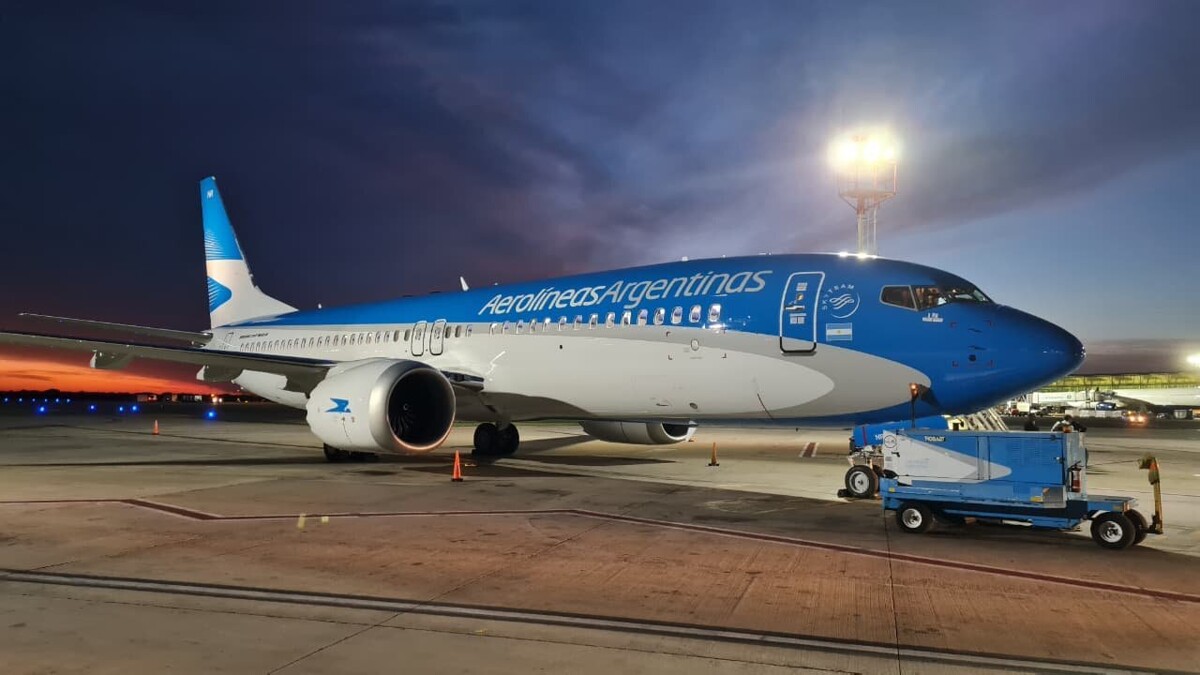
But that view is wrong again, because it does not take into account the role that work and transport play in daily life and in the country's development. For those of us who work in the air commercial sector, this discussion is not theoretical. Aerolíneas Argentinas is not just a company: it is a fundamental tool of Argentine society to connect provinces, unite regions and sustain a federal country. It needs production, formal employment and a fairer tax system that encourages work and productive investment.